Here's a breakdown:
* Symbiosis: A close and often long-term interaction between two different biological organisms.
* Commensalism: A symbiotic relationship where one organism benefits from the relationship, while the other is neither harmed nor helped.
Examples of Commensalism:
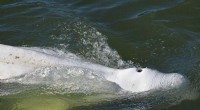
* Barnacles on whales: Barnacles attach themselves to the skin of whales, getting a free ride and access to food. The whale is not affected.
* Remora fish and sharks: Remora fish attach themselves to sharks using a suction disk on their head. They eat scraps of food that fall from the shark's mouth, but the shark is not harmed.
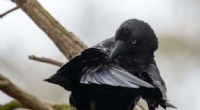
* Birds nesting in trees: Birds build nests in trees, providing shelter for themselves and their young. The tree is not affected.
It's important to note that the line between commensalism and other symbiotic relationships can be blurry. Sometimes, a relationship that appears commensal may have subtle, long-term effects on the other organism.