Here's why:
* Heterotroph: A heterotroph is an organism that cannot produce its own food and must obtain nutrients by consuming other organisms.
* Protists: Protists are a diverse group of mostly single-celled organisms, some of which are animal-like (protozoa) and some of which are plant-like (algae).
* Animals: Animals are multicellular organisms that obtain their food by consuming other organisms.
Examples of heterotrophs:
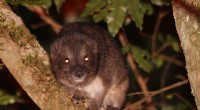
* Animals: All animals, including humans, are heterotrophs.
* Fungi: Fungi are heterotrophs that obtain nutrients by absorbing them from decaying organic matter or living organisms.
* Some bacteria: Some bacteria are heterotrophs that break down organic matter or consume other organisms.
Important Note: Some organisms can be both heterotrophs and autotrophs depending on their environment. For example, some protists can photosynthesize like plants but can also consume other organisms like animals.