1. Gene Expression:
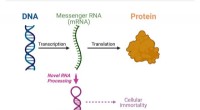
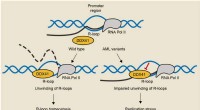
* Differential Gene Expression: Different cell types express different sets of genes. This means that specific genes are activated (turned on) or deactivated (turned off) in each cell type, leading to the production of unique proteins. These proteins determine the cell's structure, function, and behavior.
* Transcription Factors: Proteins called transcription factors bind to DNA and regulate the expression of genes. Different cell types express different combinations of transcription factors, which control the unique gene expression patterns of each cell type.
2. Epigenetic Modifications:
* DNA Methylation: Chemical tags (methyl groups) can be added to DNA, influencing gene expression. Different patterns of methylation are established in different cell types, contributing to their unique identities.
* Histone Modifications: Histones are proteins that package DNA into structures called nucleosomes. Chemical modifications to histones can alter the accessibility of DNA to transcription factors, affecting gene expression.
3. Cell-Cell Interactions:
* Signaling Pathways: Cells communicate with each other through signaling pathways, influencing their development and differentiation.
* Cell Adhesion Molecules: Proteins on the cell surface allow cells to adhere to each other, forming tissues and organs. These interactions also influence cell fate decisions.
* Extracellular Matrix (ECM): The ECM is a network of molecules that surrounds cells and provides structural support. It also plays a role in signaling and influencing cell behavior.
4. Environmental Factors:
* Nutrients: The availability of nutrients can influence cell differentiation.
* Oxygen Concentration: Oxygen levels can also impact cell fate decisions.
* Physical Forces: Mechanical forces, such as pressure or stretching, can influence cell development.
Example:
Let's consider a simple example: The development of a muscle cell.
* Gene Expression: Genes encoding muscle-specific proteins, like myosin and actin, are activated.
* Epigenetic Modifications: Specific patterns of DNA methylation and histone modifications are established, promoting muscle-specific gene expression.
* Cell-Cell Interactions: Signals from neighboring cells, such as growth factors, help to shape muscle cell development.
In summary, cell differentiation during development is a complex and fascinating process involving a carefully orchestrated interplay of gene expression, epigenetic modifications, cell-cell interactions, and environmental factors. This process allows cells to acquire specialized functions and create the diverse tissues and organs that make up an organism.