Types of Enzymes Used:
* Proteases: Break down protein stains like blood, egg, and milk.
* Amylases: Break down starch-based stains like food spills and gravy.
* Lipases: Break down fatty stains like oil, grease, and butter.
* Cellulases: Break down cellulose, a component of plant fibers, making fabrics feel softer and removing pilling.
How Enzymes Work:
Enzymes are biological catalysts that speed up chemical reactions without being consumed in the process. They work by breaking down complex molecules into smaller, easier-to-remove molecules.
Benefits of Enzymes in Washing Products:
* Improved Stain Removal: Enzymes target specific stains, breaking them down more effectively than traditional detergents.
* Lower Washing Temperatures: Enzymes can work effectively at lower temperatures, saving energy and reducing wear on clothes.
* Better Fabric Care: Cellulases soften fabrics and prevent pilling, extending the life of your clothes.
* Environmentally Friendly: Biodegradable enzymes break down easily, minimizing environmental impact.
How Enzymes are Used:
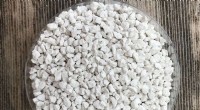
* Liquid Detergents: Enzymes are typically added to liquid detergents in the form of granules or powder.
* Powdered Detergents: Enzymes are often encapsulated in capsules to protect them from humidity and oxidation.
* Pre-treaters: Some pre-treaters contain high concentrations of enzymes specifically designed for removing stubborn stains.
Considerations:
* Sensitivity: Some individuals may be sensitive to certain enzymes, experiencing skin irritation.
* Temperature: Enzymes work best at specific temperatures. Check the product label for recommended washing temperature ranges.
In Summary:
Enzymes are an integral part of biological washing products, making them powerful cleaning agents that work efficiently at lower temperatures, improve stain removal, and provide better fabric care.