1. Anatomical Structure: This refers to the physical composition of the human body. It encompasses:
* Skeletal system: The bones that provide support, structure, and protection for the body.
* Muscular system: The muscles that allow for movement and control of the body.
* Nervous system: The brain, spinal cord, and nerves that control bodily functions and communication.
* Cardiovascular system: The heart and blood vessels that circulate blood throughout the body.
* Respiratory system: The lungs and airways that allow for breathing and gas exchange.
* Digestive system: The organs responsible for breaking down food and absorbing nutrients.
* Endocrine system: Glands that produce hormones that regulate various bodily functions.
* Integumentary system: The skin, hair, and nails that provide protection and regulate temperature.
2. Social Structure: This refers to the organization and patterns of relationships within human societies. It includes:
* Social institutions: Established organizations like families, education systems, government, and religion that shape individual and collective behavior.
* Social classes: Groups of people with similar economic and social positions.
* Social networks: Interconnected groups of individuals with shared relationships.
* Social roles: Expectations associated with specific positions or statuses within a society.
* Social norms: Shared rules and expectations for behavior within a society.
3. Architectural Structure: This refers to the design and construction of human-made buildings and infrastructure. It considers factors such as:
* Building materials: Concrete, steel, wood, etc.
* Architectural styles: Modern, Victorian, Gothic, etc.
* Structural engineering: The principles that ensure the stability and safety of structures.
* Urban planning: The design and organization of cities and towns.
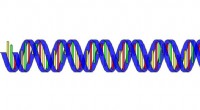
4. Genetic Structure: This refers to the genetic makeup of humans, including:
* DNA: The molecule that carries genetic information.
* Chromosomes: Structures that contain DNA and are passed down from parents to offspring.
* Genes: Units of heredity that determine specific traits.
5. Cognitive Structure: This refers to the mental organization of knowledge and concepts in the human mind. It involves:
* Schemas: Mental frameworks that help us organize and understand information.
* Concepts: Mental representations of categories and objects.
* Cognitive processes: Mental operations like attention, memory, and reasoning.
To understand "human structure" more clearly, you need to consider the specific context in which it is used. For example, if you are discussing the human body, you are likely talking about anatomical structure. However, if you are discussing the organization of a society, you are likely talking about social structure.