Examples of Biotic Factors:
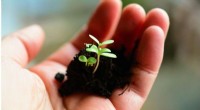
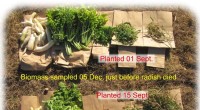
* Plants: Trees, grasses, flowers, algae
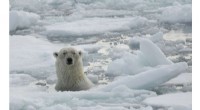
* Animals: Insects, birds, fish, mammals, reptiles, amphibians
* Fungi: Mushrooms, molds, yeasts
* Bacteria: Decomposers, nitrogen-fixing bacteria
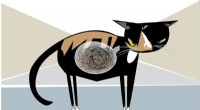
* Parasites: Ticks, tapeworms, viruses
How Biotic Factors Interact:
* Competition: Organisms fight for resources like food, water, space, and mates.
* Predation: One organism (predator) eats another (prey).
* Symbiosis: Different species living in close association, including:
* Mutualism: Both species benefit (e.g., bees and flowers).
* Commensalism: One species benefits, the other is neither helped nor harmed (e.g., barnacles on whales).
* Parasitism: One species benefits at the expense of the other (e.g., fleas on dogs).
* Disease: Bacteria, viruses, and other pathogens can impact populations.
* Decomposers: Break down dead organisms and waste, returning nutrients to the ecosystem.
Key Takeaway:
Biotic factors are the living components of an ecosystem that interact and influence each other, shaping the overall health and balance of the environment.