Zooplankton: These tiny animals are a crucial part of the marine food web. Many zooplankton, like copepods, are bacterivores, meaning they specifically feed on bacteria.
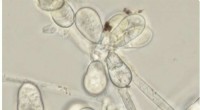
Other Microbes: Some single-celled organisms, like protists, are also bacterivores. They are important for keeping bacterial populations in check.
Larger Animals: Even larger animals, like fish, can consume bacteria, either directly or indirectly through their food sources.
Specific Examples:
* Copepods: These tiny crustaceans are abundant in the ocean and filter bacteria out of the water.
* Foraminifera: These single-celled organisms build shells and often incorporate bacteria into their diet.
* Whales: While whales are not strictly bacterivores, they consume krill, which themselves feed on bacteria.
The Importance of Bacterivores:
Bacteria are a vital part of the ocean ecosystem. Bacterivores play a critical role by:
* Controlling bacterial populations: They prevent bacteria from growing out of control.
* Recycling nutrients: They break down dead organic matter, releasing nutrients back into the water for other organisms.
* Supporting higher trophic levels: They are a food source for many larger organisms, contributing to the food web.
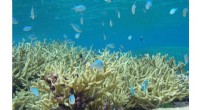
This is just a brief overview. The ocean is full of fascinating creatures that feed on bacteria, showcasing the complex and interconnected nature of marine ecosystems.