Producers:
* Plants:
* Algae: Microscopic organisms forming the base of the food chain.
* Water lilies: Floating plants with large leaves.
* Cattails: Tall plants with brown, cigar-shaped seed heads.
* Reeds: Tall, grass-like plants found near the edge.
* Duckweed: Tiny, green plants that float on the surface.
* Pondweeds: Submerged plants with long, narrow leaves.
Consumers:
* Invertebrates:
* Insects: Dragonflies, damselflies, water striders, water beetles, mosquito larvae, and more.
* Crustaceans: Crayfish, shrimp, and other small crustaceans.
* Snails: Many types of snails graze on algae and plants.
* Worms: Earthworms and other worms live in the sediment.
* Vertebrates:
* Fish: Carp, bass, catfish, minnows, and others.
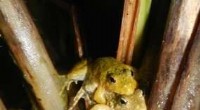
* Amphibians: Frogs, toads, salamanders, and newts.
* Reptiles: Turtles, snakes, and lizards.
* Birds: Ducks, geese, herons, and other water birds.
* Mammals: Beavers, muskrats, otters, and other semi-aquatic mammals.
Decomposers:
* Bacteria: Break down dead organisms and waste, recycling nutrients.
* Fungi: Some fungi decompose dead plant material.
Factors affecting pond life:
* Water quality: Clean, oxygenated water is essential for most pond life.
* Sunlight: Plants need sunlight for photosynthesis.
* Temperature: Different organisms thrive at different temperatures.
* Depth: The depth of the pond affects the types of plants and animals that can survive.
* Nutrient levels: High nutrient levels can lead to algal blooms, which can harm other pond life.
Remember: This is just a general overview, and the specific organisms present in a pond will vary depending on its location, climate, and other factors.