1. Individual: This is the most basic level, referring to a single organism. A single tree, a fish, or a bacterium are all examples of individuals.
2. Population: This level refers to a group of individuals of the same species that live in the same area and can potentially interbreed. Examples include a population of oak trees in a forest, a school of fish in a lake, or a colony of bacteria in a petri dish.
3. Community: This level is where we see multiple populations of different species interacting within a defined area. For instance, a community might include the oak tree population, populations of squirrels, birds, insects, and various fungi all living together in the same forest.
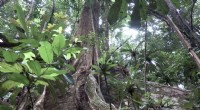
4. Ecosystem: This is the broadest level of organization. It encompasses the community of organisms interacting with their physical environment (abiotic factors). The forest ecosystem, for example, includes the community of organisms, the soil, water, sunlight, air, and the nutrients in the soil.
5. Biome: This level refers to a large-scale grouping of similar ecosystems that share similar climate conditions and characteristic plant and animal communities. Examples include deserts, grasslands, forests, and aquatic biomes.
6. Biosphere: This is the highest level, encompassing all living organisms and their physical environment on Earth. It is essentially the sum of all ecosystems.
Interconnections: It's important to note that these levels are not isolated. Each level is interconnected with the others. For instance, the health of a population depends on the resources available in the ecosystem, which in turn is affected by climate patterns within the biome.
Example: Imagine a single oak tree (individual). This tree is part of a population of oak trees in a forest (population). The oak trees, along with squirrels, birds, insects, and other organisms form a community (community). The community, interacting with the soil, sunlight, water, and air makes up the forest ecosystem (ecosystem). This forest might be part of a larger biome, like a temperate deciduous forest (biome), and all of these are part of the global biosphere (biosphere).