1. Carbohydrates (Polysaccharides):
* Primary site: Cytoplasm (specifically, the endoplasmic reticulum (ER))
* Mechanism: Enzymes within the cytoplasm and ER build carbohydrates from simple sugars (monosaccharides) like glucose.
2. Lipids (Fats, Oils, Steroids):
* Primary site: Smooth endoplasmic reticulum (SER)
* Mechanism: The SER is the primary site for lipid synthesis. Enzymes within the SER synthesize fatty acids, which are then combined to form triglycerides (fats) and phospholipids (found in cell membranes).
* Additional sites: The cytoplasm can also contribute to lipid synthesis.
3. Proteins:
* Primary site: Ribosomes (which are often attached to the rough endoplasmic reticulum (RER))
* Mechanism: Ribosomes are the protein synthesis factories of the cell. They translate the genetic code from messenger RNA (mRNA) into a sequence of amino acids, which then fold into a functional protein. The RER plays a role in modifying and folding proteins.
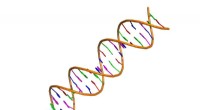
4. Nucleic Acids (DNA and RNA):
* Primary site: Nucleus
* Mechanism: The nucleus contains the DNA, the blueprint for all proteins. DNA replication occurs within the nucleus. Transcription, the process of creating RNA from DNA, also takes place in the nucleus.
* Additional sites: Ribosomes utilize RNA for protein synthesis, and some RNA processing occurs in the cytoplasm.
Important Note: The synthesis of macromolecules is often a complex process that involves multiple organelles working together. This table outlines the primary locations for each macromolecule, but the specific enzymes and pathways vary depending on the organism and the specific molecule being synthesized.