1. Primary Structure (Amino Acid Sequence):
* Single Amino Acid Substitution: Even a single amino acid change can significantly impact protein function. For example, sickle cell anemia is caused by a single amino acid substitution in the beta-globin protein, which alters its shape and ability to bind oxygen.
* Insertions or Deletions: Adding or removing amino acids can disrupt the protein's folding pattern and interfere with its function.
* Mutations: These changes in the DNA sequence can lead to changes in the amino acid sequence, potentially affecting protein function.
2. Secondary Structure (Alpha-Helices and Beta-Sheets):
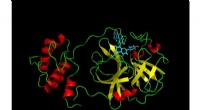
* Changes in Folding: Altering the formation of alpha-helices and beta-sheets can disrupt the overall structure of the protein, affecting its ability to bind to other molecules or perform its enzymatic activity.
* Disulfide Bonds: Changes in the number or location of disulfide bonds, which help stabilize protein structure, can affect protein folding and stability.
3. Tertiary Structure (Three-Dimensional Shape):
* Conformational Changes: The overall three-dimensional shape of a protein is crucial for its function. Any changes in this shape, caused by factors like pH, temperature, or binding to other molecules, can affect its ability to interact with its target molecules or carry out its biological function.
* Domain Organization: Proteins often have distinct domains with specific functions. Alterations in the arrangement or function of these domains can impact the overall protein activity.
4. Quaternary Structure (Assembly of Multiple Polypeptides):
* Subunit Interactions: Many proteins are composed of multiple polypeptide chains (subunits). Changes in the interactions between these subunits can affect protein assembly, stability, and overall function.
In Summary:
Altering any level of structural organization in a protein can lead to changes in its function. These changes can range from subtle modifications in activity to complete loss of function, and they can have significant implications for cellular processes and overall health.
It's important to note that the specific effect of a structural change on protein function depends on the particular protein, its function, and the nature of the change. Understanding the relationship between protein structure and function is crucial for developing new drugs, understanding diseases, and advancing our understanding of biological processes.