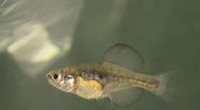
Organisms are living things! They are made up of one or more cells and can carry out the basic functions of life, such as:
* Growth and Development: They increase in size and complexity over time.
* Reproduction: They create new organisms of the same kind.
* Metabolism: They take in energy and nutrients, convert them into usable forms, and eliminate waste products.
* Response to Stimuli: They react to changes in their environment, like light, temperature, or touch.
* Adaptation: They evolve over time to better suit their environment.
Organisms are incredibly complex and diverse, but they are all based on a few fundamental building blocks:
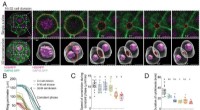
1. Cells: The basic unit of life. All living things are made up of one or more cells. Each cell is a tiny compartment filled with specialized structures called organelles that perform specific functions.
* Prokaryotic Cells: Simpler cells found in bacteria and archaea, lacking a nucleus and other membrane-bound organelles.
* Eukaryotic Cells: More complex cells found in plants, animals, fungi, and protists, containing a nucleus and other membrane-bound organelles.
2. Biomolecules: Large molecules that make up cells and perform essential functions. There are four main types:
* Carbohydrates: Provide energy and structural support (e.g., sugars, starch, cellulose).
* Lipids (Fats and Oils): Store energy, provide insulation, and form cell membranes.
* Proteins: Carry out a vast array of functions, including structural support, enzyme activity, and transport.
* Nucleic Acids (DNA and RNA): Carry genetic information and direct protein synthesis.
3. Systems: Groups of organs that work together to perform a specific function. For example, the digestive system breaks down food, the circulatory system transports nutrients and oxygen, and the nervous system controls and coordinates body functions.
4. Environments: Organisms exist within specific environments that influence their survival and evolution. This includes abiotic factors like temperature, light, and water availability, as well as biotic factors like other organisms in the ecosystem.
The diversity of organisms on Earth is astounding, ranging from microscopic bacteria to giant trees and complex animals. We classify them into different kingdoms, based on their characteristics and evolutionary relationships.
In conclusion, organisms are living entities, made up of cells, biomolecules, and organized systems. They are incredibly diverse and essential for the functioning of our planet.