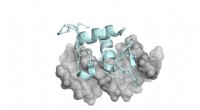
Soluble proteins are, as the name suggests, proteins that dissolve in water. This ability stems from their hydrophilic nature, meaning they have a strong affinity for water. This affinity arises from the arrangement of their amino acid residues, which are the building blocks of proteins.
Here's a breakdown of what makes a protein soluble:
1. Polarity: Soluble proteins have more polar amino acids on their surface. These amino acids carry charges (positive or negative) or have polar groups that can form hydrogen bonds with water molecules. This interaction helps to break the strong bonds between water molecules and allows the protein to dissolve.
2. Shape: Soluble proteins often have a globular shape, which minimizes contact with hydrophobic residues and maximizes the exposure of hydrophilic residues to water. This shape allows them to interact with water molecules and remain dissolved.
3. Specific Functions: Soluble proteins are involved in a wide range of functions within living organisms, including:
* Enzymes: Catalyze biochemical reactions.
* Antibodies: Bind to and neutralize foreign invaders.
* Hormones: Regulate physiological processes.
* Transport proteins: Carry molecules across cell membranes.
* Structural proteins: Provide support and shape to cells and tissues.
Examples of soluble proteins:
* Hemoglobin: Carries oxygen in red blood cells.
* Insulin: Regulates blood sugar levels.
* Immunoglobulin G (IgG): A type of antibody.
* Lysozyme: An enzyme that breaks down bacterial cell walls.
Contrast with Insoluble Proteins:
Insoluble proteins, on the other hand, have a higher proportion of hydrophobic amino acids, making them "water-fearing". They tend to clump together and form structures like fibers or sheets. Examples include collagen (structural protein in connective tissues) and keratin (structural protein in hair and nails).
Understanding the solubility of proteins is crucial for many biological processes, including:
* Cellular signaling: Soluble proteins carry messages between cells.
* Immune response: Soluble antibodies help fight off infections.
* Metabolic processes: Soluble enzymes catalyze reactions that sustain life.
In conclusion, soluble proteins are essential components of living organisms, performing a wide range of vital functions due to their ability to dissolve in water. Their properties and functions are crucial for maintaining life as we know it.