Animal Cells:
* Cleavage Furrow Formation: Cytokinesis in animal cells starts with the formation of a cleavage furrow, an indentation on the cell's surface.
* Microfilament Contraction: The furrow is formed by the contraction of a ring of microfilaments, primarily composed of the protein actin.
* Plasma Membrane Invagination: As the microfilaments contract, they pull the plasma membrane inwards, eventually pinching the cell in two.
Plant Cells:
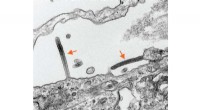
* Cell Plate Formation: Instead of a furrow, plant cells form a cell plate in the middle of the dividing cell.
* Golgi Apparatus Involvement: The cell plate is derived from vesicles produced by the Golgi apparatus. These vesicles contain cell wall material, such as cellulose and pectin.
* Cell Wall Expansion: The vesicles fuse together at the middle of the cell, expanding outwards until they reach the existing cell walls. This forms a new cell wall, separating the two daughter cells.
Summary Table:
| Feature | Animal Cells | Plant Cells |
|---|---|---|
| Mechanism | Cleavage furrow formation | Cell plate formation |
| Structures Involved | Microfilaments | Golgi apparatus, cell wall material |
| Direction of Invagination | Inward from the cell surface | Outward from the cell center |
Key Differences:
* Animal cells rely on microfilament contraction to create the cleavage furrow, while plant cells use vesicles from the Golgi apparatus to build the cell plate.
* The cell plate in plant cells forms a new cell wall, while the cleavage furrow in animal cells simply pinches the existing plasma membrane.
These differences reflect the structural and functional distinctions between animal and plant cells, particularly related to the presence of a rigid cell wall in plants.