* Stores Genetic Information (DNA): The nucleus houses the cell's DNA, which contains the blueprint for building and maintaining the entire organism. This includes instructions for making proteins, enzymes, and other vital molecules.
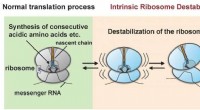
* Directs Protein Synthesis: DNA within the nucleus is transcribed into RNA, which then carries these instructions out of the nucleus to the ribosomes. Ribosomes use this RNA to build proteins, which perform a vast array of functions in the cell.
* Controls Cell Growth and Division: The nucleus dictates when and how a cell divides, ensuring proper cell replication and repair. It also plays a role in regulating the cell cycle and preventing uncontrolled growth.
* Protects DNA: The nuclear membrane acts as a barrier, protecting the delicate DNA from damage and ensuring it remains organized.
* Facilitates Communication: The nucleus interacts with other parts of the cell by sending out signals and receiving information. This ensures the entire cell operates in a coordinated and efficient manner.
Without a nucleus, a cell would be unable to:
* Produce the proteins it needs to function.
* Replicate and divide properly.
* Maintain its structure and integrity.
* Respond to changes in its environment.
In short, the nucleus is essential for the life of the cell, making it one of the most crucial organelles in the body.