1. Structure and Composition:
* Molecular structure: This includes the composition and arrangement of molecules like proteins, carbohydrates, lipids, and nucleic acids.
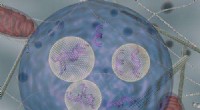
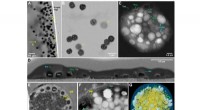
* Cellular structure: The organization of cells, their organelles, and their interactions.
* Tissue structure: The arrangement of cells into tissues, such as muscle, bone, and nervous tissue.
* Organ structure: The combination of tissues to form organs, such as the heart, lungs, and brain.
2. Function and Processes:
* Metabolism: All chemical processes that occur within a living organism, including energy production, nutrient breakdown, and waste removal.
* Growth and development: Processes that lead to an increase in size and complexity.
* Reproduction: The ability to produce offspring.
* Response to stimuli: The ability to react to changes in the environment.
* Adaptation: The ability to adjust to changing conditions.
3. Genetics and Heredity:
* DNA structure and function: The genetic material that carries the instructions for an organism's traits.
* Gene expression: The process by which genes are translated into proteins and other functional molecules.
* Evolution: The gradual change in the genetic makeup of a population over time.
4. Interactions with the Environment:
* Ecology: The study of how organisms interact with each other and their environment.
* Symbiosis: Interactions between different species, such as mutualism, commensalism, and parasitism.
* Biogeochemical cycles: The movement of elements through living organisms and the environment.
Examples of biological properties:
* The ability of a plant to photosynthesize.
* The ability of a bacteria to break down organic matter.
* The ability of a virus to infect a host cell.
* The structure of a protein that allows it to bind to a specific molecule.
* The genetic code of a particular species.
Understanding biological properties is crucial for various fields, including:
* Medicine: Understanding the properties of pathogens and diseases allows for the development of treatments and cures.
* Agriculture: Understanding the properties of crops and livestock allows for more efficient and sustainable farming practices.
* Environmental science: Understanding the properties of ecosystems and their components allows for conservation efforts.
* Biotechnology: Understanding the properties of biological systems allows for the development of new technologies, such as genetic engineering and bioremediation.
It's important to remember that biological properties are complex and interconnected. Studying them often requires a multidisciplinary approach, combining knowledge from biology, chemistry, physics, and other fields.