1. Membrane-Bound Nucleus:
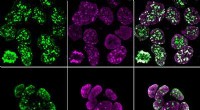
* Eukaryotic cells (animal and plant): Have a true nucleus enclosed by a membrane, which houses their genetic material (DNA).
* Prokaryotic cells: Lack a membrane-bound nucleus. Their DNA is located in a region called the nucleoid, which isn't separated from the rest of the cell by a membrane.
2. Membrane-Bound Organelles:
* Eukaryotic cells: Contain a variety of membrane-bound organelles, such as mitochondria, endoplasmic reticulum, Golgi apparatus, lysosomes, etc. These organelles perform specialized functions within the cell.
* Prokaryotic cells: Lack these membrane-bound organelles. Their internal structure is simpler, with fewer compartments.
3. Size and Complexity:
* Eukaryotic cells: Generally larger and more complex than prokaryotic cells.
* Prokaryotic cells: Smaller and simpler, with a more basic internal structure.
4. Cell Wall:
* Plant cells: Have a rigid cell wall made of cellulose that provides structural support.
* Animal cells: Lack a cell wall.
* Prokaryotic cells: Some prokaryotes have cell walls, but these are typically composed of different materials than plant cell walls (e.g., peptidoglycan).
5. Ribosomes:
* Eukaryotic cells: Have larger ribosomes (80S) compared to prokaryotes.
* Prokaryotic cells: Have smaller ribosomes (70S).
In summary:
Animal and plant cells possess a membrane-bound nucleus, a complex system of membrane-bound organelles, and other features that are absent in prokaryotic cells. These fundamental differences in cellular organization are the basis for the classification of cells into prokaryotes and eukaryotes.