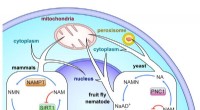
Here's why:
* The nucleus is the control center of the cell, housing the genetic material (DNA). Its presence is crucial for complex eukaryotic processes like transcription and translation.
* The endoplasmic reticulum is a vast network of membranes responsible for protein synthesis, folding, and transport. It plays a critical role in the cell's overall organization and function.
Several theories suggest the following order of organelle evolution:
1. Plasma membrane: The first step in the evolution of eukaryotic cells was likely the formation of a plasma membrane, which enclosed a self-replicating system.
2. Ribosomes: Ribosomes, the protein synthesis machinery, are present in both prokaryotes and eukaryotes. It is thought that ribosomes were present in the early eukaryotic cell.
3. Mitochondria and chloroplasts: These organelles are believed to have originated from the endosymbiosis of bacteria. The mitochondria, responsible for energy production, likely came before chloroplasts, responsible for photosynthesis.
4. Golgi apparatus: The Golgi apparatus plays a crucial role in protein modification and packaging. It likely evolved after mitochondria and chloroplasts.
5. Nucleus and ER: The nucleus and ER are thought to be interconnected and evolved together. The nucleus is hypothesized to have formed through an invagination of the plasma membrane, with the ER subsequently developing from this internal membrane system.
While the exact order of evolution remains debated, the nucleus and ER are generally considered to have appeared later in the evolution of eukaryotic cells due to their complex structure and crucial roles in eukaryotic cellular processes.