Here's why:
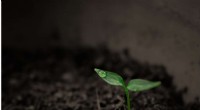
* Chlorophyll is the green pigment essential for photosynthesis, the process by which plants and some algae use sunlight to create energy.
* Chloroplasts are the organelles within plant cells where photosynthesis takes place.
Since heterotrophic cells cannot make their own food through photosynthesis, they must obtain their energy by consuming other organisms (like animals) or organic matter. Examples of heterotrophic cells include:
* Animal cells: They rely on consuming plants or other animals for energy.
* Fungal cells: They obtain nutrients by absorbing organic matter from their surroundings.
* Bacterial cells: Many bacteria are heterotrophic and get their energy from consuming other organisms or organic matter.
Let me know if you have any more questions about cells!