Here's a breakdown:
* Antibodies are also known as immunoglobulins (Igs).
* They are Y-shaped proteins that specifically bind to foreign molecules called antigens.
* Antigens can be found on the surface of bacteria, viruses, parasites, or even our own cells if they become infected or cancerous.
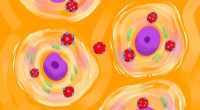
* Antibodies are produced by specialized immune cells called B lymphocytes (B cells).
* When a B cell encounters an antigen, it differentiates into a plasma cell that produces antibodies specific to that antigen.
* These antibodies then circulate in the blood and body fluids, ready to neutralize the invading antigen.
Here's a table summarizing some key aspects of antibodies:
| Feature | Description |
|---|---|
| Function | To identify and neutralize foreign molecules (antigens) |
| Production | By plasma cells, which are differentiated B lymphocytes |
| Structure | Y-shaped protein with two identical antigen-binding sites |
| Types | IgM, IgG, IgA, IgD, IgE |
| Mechanism of action | Neutralize antigens by blocking their binding sites, activating complement system, opsonization (marking antigens for destruction), and triggering other immune responses |
Antibodies are a crucial part of our adaptive immune system, providing us with specific protection against a vast array of foreign invaders.