Here's a breakdown of the process:
1. Recognition and Binding:
- The cell membrane recognizes the large molecule it wants to bring in.
- The molecule binds to specific receptors on the cell surface.
2. Invagination:
- The cell membrane begins to fold inward, forming a pouch around the molecule.
3. Vesicle Formation:
- The pouch pinches off from the membrane, creating a small, membrane-bound sac called a vesicle that encloses the molecule.
4. Vesicle Transport:
- The vesicle moves through the cytoplasm, often guided by cytoskeletal proteins.
5. Delivery and Fusion:
- The vesicle may fuse with other organelles like lysosomes for further processing or directly deliver its contents to the cytoplasm.
There are three main types of endocytosis:
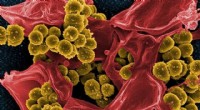
* Phagocytosis: The engulfing of large solid particles, like bacteria, by cells.
* Pinocytosis: The uptake of fluids and dissolved molecules.
* Receptor-mediated endocytosis: The uptake of specific molecules that bind to receptors on the cell surface. This process is highly selective.
Endocytosis is an essential process for cells to take in nutrients, remove waste products, and defend themselves against pathogens.