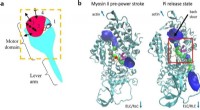
1. Amino Acid Sequence: The polypeptide chain is a linear sequence of amino acids linked together by peptide bonds. This sequence is crucial because it determines the protein's three-dimensional structure, which in turn dictates its function.
2. Folding into Three-Dimensional Structure: The polypeptide chain doesn't exist as a straight line in a protein. It folds and twists into a complex three-dimensional shape. This shape is determined by interactions between the amino acids, such as:
* Hydrogen bonds: Weak attractions between polar groups.
* Ionic bonds: Attractions between oppositely charged groups.
* Hydrophobic interactions: Clustering of non-polar groups to avoid water.
* Disulfide bonds: Covalent bonds between cysteine amino acids.
3. Biological Function: The unique three-dimensional structure of a protein is responsible for its specific function. Proteins play a wide variety of roles in the body, including:
* Enzymes: Catalyze biochemical reactions.
* Structural proteins: Provide support and shape to cells and tissues (e.g., collagen, keratin).
* Transport proteins: Carry molecules across cell membranes (e.g., hemoglobin).
* Hormones: Act as chemical messengers.
* Antibodies: Fight infections.
In short, the polypeptide chain is the backbone of a protein, providing the sequence of amino acids that dictates its structure and ultimately its function in the body.