Carbohydrates are the primary source of energy for cells and organs. Here's how they function:
* Glucose: The most basic form of carbohydrate, glucose is readily absorbed by cells and broken down through cellular respiration to produce ATP (adenosine triphosphate), the energy currency of the cell.
* Glycogen: Animals store excess glucose as glycogen, a complex carbohydrate, primarily in the liver and muscles. When energy is needed, glycogen can be broken down into glucose.
* Other carbohydrates: Other carbohydrates, like starch and fiber, are broken down into glucose during digestion.
Beyond energy, carbohydrates also have other essential roles:
* Structural support: Carbohydrates like cellulose (in plants) and chitin (in insects) provide structural support and form the cell walls of these organisms.
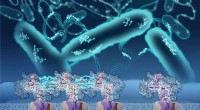
* Cell recognition and communication: Carbohydrates on the surface of cells act as markers for cell recognition and communication.
* Component of DNA and RNA: Deoxyribose (in DNA) and ribose (in RNA) are sugar molecules essential for the structure of these genetic materials.
In summary, carbohydrates are vital for:
* Energy production
* Energy storage
* Structural support
* Cell communication
* Genetic material
Let me know if you'd like to explore any of these functions in more detail!