Here's why:
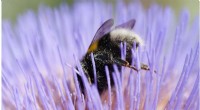
* Cross-pollination: This is the process where pollen from one plant's flower is transferred to the stigma of a flower on a different plant of the same species.
* Hybrid: A hybrid organism is the result of combining genetic material from two different parent organisms. Since cross-pollination involves two different plants, the offspring will inherit a mix of genes from both parents, resulting in unique characteristics that may differ from either parent plant.
Example:
* A red rose plant crossed with a white rose plant might produce offspring with pink flowers. This is because the offspring inherits genes for both red and white flower color, resulting in a blended phenotype.
Hybrids can exhibit a wide range of variations, which can be advantageous in terms of:
* Increased disease resistance: Hybrids may inherit resistance genes from both parents, making them less susceptible to certain diseases.
* Improved yield: Hybrids can sometimes produce higher yields of fruits, vegetables, or grains.
* Enhanced adaptability: Hybrids can be more adaptable to different environmental conditions.
However, hybrid organisms also have some potential drawbacks:
* Inbreeding depression: If hybrids are repeatedly crossed with each other, they can lose genetic diversity, making them more susceptible to disease and other problems.
* Unpredictable results: The traits of hybrid offspring can be unpredictable, making it difficult to control the desired characteristics.
Overall, cross-pollination and the production of hybrids are important processes in plant breeding and evolution. They contribute to the diversity and resilience of plant populations.