1. The Muscular System:
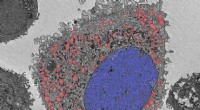
* Muscle Cells: These specialized cells are capable of contracting, which is the key to movement. There are three types of muscle tissue:
* Skeletal Muscle: Attached to bones, responsible for voluntary movement.
* Smooth Muscle: Found in internal organs like the stomach and intestines, responsible for involuntary movements.
* Cardiac Muscle: Found in the heart, responsible for pumping blood.
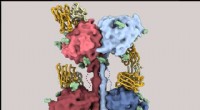
* Muscle Contraction: Muscle fibers contain proteins called actin and myosin. When a signal from the nervous system reaches a muscle fiber, it triggers a chemical reaction that causes actin and myosin to slide past each other, shortening the muscle fiber and producing force.
2. The Nervous System:
* The Brain: The brain receives sensory input from the environment and sends signals to muscles to initiate and coordinate movement.
* The Spinal Cord: Relays signals from the brain to muscles and receives sensory input from the body.
* Nerves: Transmit signals from the brain and spinal cord to muscles and back.
3. The Skeletal System:
* Bones: Provide a framework for the body and anchor muscles, allowing for leverage and movement.
* Joints: Allow bones to move relative to each other, providing flexibility and range of motion.
4. Other Factors:
* Ligaments: Connect bones to each other, providing stability and limiting excessive movement.
* Tendons: Connect muscles to bones, transmitting the force of muscle contraction.
* Energy: Muscle contraction requires energy, which is provided by the breakdown of glucose through cellular respiration.
In summary:
Movement in multicellular organisms is the result of a complex interplay between the nervous system, which initiates and controls movement, the muscular system, which provides the force for movement, and the skeletal system, which provides the framework and structure for movement.