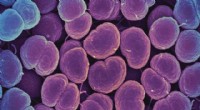
1. Recycling Nutrients: Bacteria break down dead organisms (plants, animals, and even other bacteria) into simpler compounds like carbon dioxide, water, and nutrients. These nutrients are then released back into the environment, making them available for other organisms to use. Think of them as nature's recyclers, ensuring that essential elements like nitrogen, phosphorus, and carbon are constantly circulating.
2. Soil Health: Decomposition is a cornerstone of healthy soil. Bacteria break down organic matter like leaves and roots, creating fertile soil rich in nutrients that support plant growth. This process also helps to improve soil structure, aeration, and water retention.
3. Waste Management: Bacteria are responsible for breaking down waste materials like sewage and garbage. This process helps to prevent the accumulation of harmful waste and protect our environment.
4. Carbon Cycling: Decomposition is a key part of the carbon cycle. When bacteria break down organic matter, they release carbon dioxide (CO2) into the atmosphere. This CO2 is then used by plants for photosynthesis, which releases oxygen and completes the cycle.
5. Food Production: Bacteria are essential for the production of many foods. For example, they are used to ferment cheese, yogurt, sauerkraut, and other fermented foods.
6. Bioremediation: Some bacteria are able to break down pollutants like oil spills, pesticides, and heavy metals. This process, known as bioremediation, helps to clean up contaminated environments.
Without bacterial decomposition, the planet would be overwhelmed with dead organisms, essential nutrients would become locked up, and the environment would become toxic.
It's important to remember that not all bacteria are harmful. In fact, the vast majority are beneficial and essential for life on Earth.