Here's a breakdown:
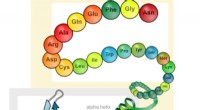
* Macromolecules: Large molecules composed of many smaller repeating subunits. Examples include carbohydrates, proteins, lipids, and nucleic acids.
* Monomers: The small, repeating subunits that make up macromolecules.
* Polymerization: The process of joining monomers together to form a polymer (a macromolecule). This process involves the removal of a water molecule (dehydration reaction) between each monomer.
In summary: Polymerization is the process of building macromolecules from smaller monomers by removing water molecules.