* Digestion: Maltose is produced during the breakdown of starch, a complex carbohydrate found in many foods. The enzyme amylase, present in saliva and the small intestine, breaks down starch into maltose.
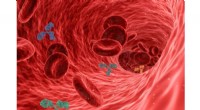
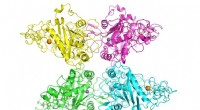
* Absorption: Maltose is then further broken down into glucose by the enzyme maltase, also found in the small intestine. This glucose is then absorbed into the bloodstream and used as energy by the body.
* Energy: Maltose itself isn't directly used for energy. It's a stepping stone in the process of converting starch into usable glucose.
Therefore, maltose acts as a temporary storage form of glucose during digestion and serves as a readily available source of energy for the body.
It's important to note that maltose is not found in abundance in nature. It's primarily produced during digestion, rather than being consumed directly.