Living components (Biotic):
* All life forms: This includes all plants, animals, fungi, bacteria, protists, and archaea.
* Ecosystems: These are communities of interacting organisms and their physical environment, like forests, grasslands, oceans, and deserts.
* Biodiversity: The variety of life forms within a given ecosystem or the entire biosphere.
Non-living components (Abiotic):
* Atmosphere: The layer of gases surrounding Earth, primarily nitrogen, oxygen, and carbon dioxide. This provides the air we breathe and protects us from harmful radiation.
* Hydrosphere: All the water on Earth, including oceans, lakes, rivers, groundwater, and ice. This provides a medium for life, transports nutrients, and regulates temperature.
* Lithosphere: Earth's solid outer layer, including the crust and upper mantle. This provides the land we live on and contains the minerals and rocks that support life.
* Sunlight: Provides the energy for photosynthesis, the process by which plants convert sunlight into chemical energy.
* Temperature: Influences the rates of biological processes and determines where different organisms can live.
* Climate: The long-term weather patterns of a region, including rainfall, temperature, and wind.
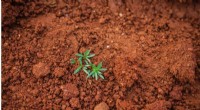
* Soil: A mixture of minerals, organic matter, water, and air that provides essential nutrients for plants.
Interactions:
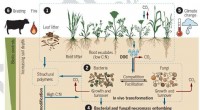
The biosphere is a complex system where the biotic and abiotic components constantly interact with each other. For example:
* Plants use sunlight, water, and nutrients from the soil to grow.
* Animals consume plants and other animals, transferring energy and nutrients through the food chain.
* Microorganisms decompose dead organisms, returning nutrients to the soil.
* Humans impact the biosphere through activities like agriculture, industry, and pollution.
Importance:
The biosphere is crucial for life on Earth. It provides:
* Oxygen for breathing
* Food and other resources
* Regulation of climate and weather
* Waste decomposition and recycling of nutrients
Understanding the makeup and interactions within the biosphere is essential for addressing environmental challenges and ensuring the sustainability of life on Earth.