Macromolecules:
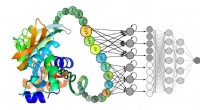
* Structure and Support: Large macromolecules like proteins and carbohydrates provide structural integrity to cells, forming cell membranes, cytoskeletons, and extracellular matrices.
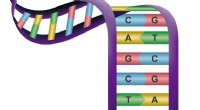
* Catalysis and Regulation: Enzymes, which are mostly proteins, catalyze biochemical reactions essential for life. Other macromolecules, like nucleic acids (DNA and RNA), carry genetic information and regulate gene expression.
* Energy Storage: Carbohydrates like starch and glycogen store energy for later use. Fats and lipids provide long-term energy reserves and insulation.
* Communication and Transport: Macromolecules like proteins are involved in cell signaling, transporting molecules across membranes, and recognizing other cells.
Small Carbon Compounds:
* Building Blocks: Small carbon compounds like amino acids, sugars, fatty acids, and nucleotides serve as the building blocks for larger macromolecules.
* Metabolic Intermediates: Many small carbon compounds act as intermediates in metabolic pathways, facilitating the breakdown of nutrients and the synthesis of essential molecules.
* Energy Carriers: ATP, a small carbon compound, is the primary energy currency of cells.
* Regulation: Small molecules like hormones and neurotransmitters can act as signaling molecules, regulating various cellular processes.
Synergy between Macromolecules and Small Molecules:
* Interdependence: The synthesis and breakdown of macromolecules rely on the presence and availability of small carbon compounds.
* Dynamic Exchange: There is a constant exchange of small molecules between the cytoplasm and the environment, fueling metabolic processes and maintaining cell homeostasis.
* Integrated Systems: Macromolecules and small carbon compounds work together in interconnected networks, creating a complex and efficient cellular machinery.
In essence, cells utilize both macromolecules and small carbon compounds to achieve a balance between structural integrity, functional diversity, and metabolic efficiency. They represent different levels of complexity and fulfill distinct yet interconnected roles in the intricate world of cellular processes.