Here's why:
* Carbon's Bonding Ability: Carbon has four valence electrons, allowing it to form four covalent bonds with other atoms. This versatility enables carbon to create long chains and complex structures, which are essential for building the large, complex molecules that make up living things.
* Macromolecule Examples:
* Carbohydrates: Sugars and starches are composed of carbon, hydrogen, and oxygen.
* Lipids (Fats and Oils): Lipids primarily consist of carbon, hydrogen, and oxygen, although some contain phosphorus.
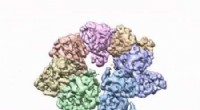
* Proteins: Proteins are made of amino acids, which contain carbon, hydrogen, oxygen, nitrogen, and sometimes sulfur.
* Nucleic Acids (DNA and RNA): Nucleic acids are made of nucleotides, which contain carbon, hydrogen, oxygen, nitrogen, and phosphorus.
Let me know if you'd like to know more about any specific macromolecule!