1. Adaptations are Specific to Environments:
* Organisms exhibit traits perfectly suited to their specific environments. For example, desert animals have adaptations for conserving water, while marine animals have adaptations for breathing underwater. This shows that organisms have evolved to thrive in their particular niche.
2. Adaptations are Heritable:
* These beneficial traits are passed down from generation to generation. This ensures that future generations are better equipped to survive and reproduce in the same environment.
3. Adaptations Result from Natural Selection:
* Natural selection, the driving force of evolution, acts on variations within a population. Individuals with traits that enhance their survival and reproductive success are more likely to pass on those traits. Over time, these advantageous adaptations become more common, leading to a change in the overall population.
4. Adaptations Can Be Observed:
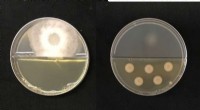
* We see adaptations developing in real time. For example, the evolution of antibiotic resistance in bacteria is a clear example of natural selection favoring advantageous mutations.
5. Fossils Document Evolutionary Change:
* Fossil records show a progression of adaptations over time. We can trace the evolution of certain traits, like the development of wings in birds, or the transition from fish to amphibians.
6. Comparative Anatomy Reveals Common Ancestry:
* Similar structures in different species, such as the bones in the forelimbs of humans, whales, and bats, suggest common ancestry. These structures have been adapted to different functions, demonstrating how evolution has modified ancestral features.
7. Molecular Evidence Supports Evolutionary Relationships:
* Genetic similarities between species, such as DNA sequence comparisons, provide strong evidence for common ancestry and evolutionary relationships.
In Conclusion:
Adaptations are not just interesting features of organisms; they are the fingerprints of evolution. They reflect the ongoing interplay between organisms and their environments, demonstrating the power of natural selection to shape life on Earth.