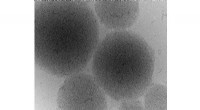
* Cell Wall: This rigid outer layer provides structure and support to the plant cell.
* Chloroplasts: These organelles are responsible for photosynthesis, the process of converting sunlight into energy.
* Large Central Vacuole: This large, fluid-filled sac helps regulate water pressure and stores nutrients.
* Plasmodesmata: These tiny channels connect adjacent plant cells, allowing for communication and transport.
You could say something like:
* "A cell with a cell wall, chloroplasts, and a large central vacuole."
* "A cell with the characteristics of a plant cell, such as a cell wall and chloroplasts."
* "A cell that exhibits features unique to plant cells, such as photosynthesis."
It's important to note that there are some variations in the specific features found in different plant cells. For example, not all plant cells have chloroplasts. However, the features listed above are generally considered to be the defining characteristics of a plant cell.





![Shark Attack Trends: Recent Increase After Years of Decline - [Date]](https://www.scienceaq.com/article/uploadfiles/202210/2022102101054361_S.jpg)