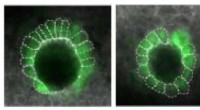
Here's a breakdown:
* Phagocytes are a type of white blood cell that engulf and destroy harmful invaders like bacteria, viruses, and cellular debris.
* The process of engulfing and destroying these foreign objects is called phagocytosis.
There are different types of phagocytes, including:
* Neutrophils: These are the most abundant type of white blood cell and are the first responders to infection.
* Macrophages: These are larger phagocytes that can engulf larger particles and live longer than neutrophils.
* Dendritic cells: These are specialized cells that present antigens (parts of the foreign object) to other immune cells to trigger an immune response.
How phagocytosis works:
1. Recognition: The phagocyte recognizes the foreign object through receptors on its surface.
2. Engulfment: The phagocyte surrounds the foreign object with its cell membrane and forms a vesicle called a phagosome.
3. Fusion: The phagosome fuses with another vesicle called a lysosome, which contains enzymes that break down the foreign object.
4. Destruction: The enzymes in the lysosome destroy the foreign object, rendering it harmless.
Phagocytosis is a critical part of the immune system, protecting us from infections and maintaining our health.