The Genetic Blueprint:
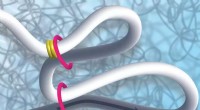
* DNA: Every cell contains DNA, a long molecule that acts as a blueprint for all the proteins the cell needs to function. DNA is divided into sections called genes, each containing the instructions for building a specific protein.
Transcription:
* RNA polymerase: An enzyme called RNA polymerase reads a gene in the DNA and creates a copy called messenger RNA (mRNA).
* mRNA: mRNA is like a temporary, portable copy of the gene's instructions. It carries this information from the DNA in the nucleus to the ribosomes in the cytoplasm.
Translation:
* Ribosomes: Ribosomes are like protein-making factories. They read the mRNA sequence, which is made of codons (groups of three nucleotides). Each codon corresponds to a specific amino acid.
* Transfer RNA (tRNA): tRNA molecules act like couriers, carrying the correct amino acid to the ribosome based on the codon being read.
* Chain reaction: The ribosome links the amino acids together in a specific sequence, following the instructions on the mRNA. This creates a chain of amino acids, forming the protein.
Folding:
* Protein structure: Once the amino acid chain is complete, it folds into a specific three-dimensional shape. This shape is crucial for the protein to function properly.
In summary:
1. DNA holds the instructions.
2. RNA polymerase makes a copy of the instructions (mRNA).
3. Ribosomes read the instructions and build the protein.
4. tRNA brings the correct building blocks (amino acids).
5. The protein folds into its final shape.
Additional notes:
* This process is highly regulated. Cells control which genes are transcribed and translated, and they can modify proteins after they are made.
* Errors in protein synthesis can lead to diseases.
* The study of protein synthesis is a fundamental area of molecular biology, with many implications for understanding life and treating disease.