Here are some examples of groups within Protista, and some key representative organisms from each:
1. Algae (Plant-like)
* Diatoms: Single-celled algae with intricate glass-like cell walls, important primary producers in aquatic ecosystems.
* Dinoflagellates: Important primary producers in marine ecosystems, some are responsible for harmful algal blooms (red tides).
* Euglena: Green algae with a flagellum for movement, can photosynthesize but also consume food.
* Spirogyra: Filamentous green algae with a spiral chloroplast, common in freshwater habitats.
2. Protozoa (Animal-like)
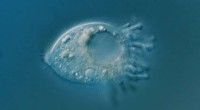
* Amoeba: A single-celled organism that moves using pseudopods (temporary extensions of cytoplasm), known for engulfing food through phagocytosis.
* Paramecium: A single-celled organism with cilia for movement, known for its complex feeding mechanism.
* Trypanosoma: A parasitic flagellate that causes diseases like African sleeping sickness.
* Plasmodium: A parasitic sporozoan that causes malaria.
3. Slime Molds (Fungal-like)
* Physarum polycephalum: A brightly colored slime mold that can form large, mobile masses of cytoplasm.
* Dictyostelium discoideum: A cellular slime mold that can form fruiting bodies to release spores.
It's important to remember:
* Protists are a very diverse group with a vast number of species. These examples are just a small sampling.
* The classification of protists is still evolving, and some organisms may be reclassified over time.
Instead of focusing on specific "representatives," think about the broad diversity of protists:
* They are incredibly important to ecosystems: As primary producers, decomposers, and parasites.
* They are diverse in their methods of obtaining nutrients: Photosynthesis, ingestion, absorption.
* They have diverse life cycles: Some are single-celled, others form colonies or multicellular structures.
The study of protists is fascinating, and understanding their variety and importance is essential to comprehending the complexity of life on Earth.