1. In a spreadsheet or table:
* A selected range of cells is a group of cells that you've chosen to work with. You might select them to apply formatting, enter data, or perform calculations.
2. In biology:
* A tissue is a group of similar cells that work together to perform a specific function. Examples include muscle tissue, nervous tissue, and epithelial tissue.
* An organ is a structure made up of different tissues that work together to perform a more complex function. Examples include the heart, lungs, and brain.
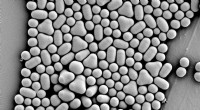
* A population of cells is a group of cells that share a common origin or characteristic. This could include a population of cells within a tissue or even a population of cells grown in a lab culture.
3. In computer science:
* A data structure can be used to organize a collection of data, including cells. For example, a linked list is a data structure where each cell contains a piece of data and a pointer to the next cell in the list.
4. In other contexts:
* A group of cells in a colony or organism could be selected for a specific purpose. For example, a group of cells might be selected for study in a laboratory, or a group of cells might be selected for transplantation.
To understand what "a selected group of cells" refers to, you need to consider the context in which the term is used.