Structure:
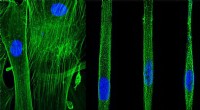
* Nucleus: Bacteria cells lack a true nucleus. Their DNA is located in a region called the nucleoid, which is not enclosed by a membrane. Animal cells have a well-defined nucleus enclosed by a nuclear membrane.
* Organelles: Bacteria cells have fewer organelles than animal cells. They lack mitochondria, Golgi apparatus, endoplasmic reticulum, lysosomes, and other complex organelles found in animal cells.
* Cell Wall: Bacteria cells have a rigid cell wall made of peptidoglycan, which provides structural support and protection. Animal cells do not have a cell wall.
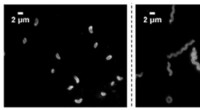
* Size: Bacteria cells are typically much smaller than animal cells (1-10 micrometers in diameter vs. 10-100 micrometers).
* Flagella: While some bacteria have flagella for movement, they are structurally different from the flagella found in animal cells.
Other differences:
* Genetic Material: Bacteria have a single circular chromosome, while animal cells have multiple linear chromosomes.
* Reproduction: Bacteria reproduce asexually through binary fission, while animal cells reproduce sexually or asexually.
* Metabolism: Bacteria have diverse metabolic pathways, including some that can utilize inorganic substances as energy sources, unlike animal cells.
* Sensitivity to Antibiotics: Bacteria are susceptible to antibiotics, which target their unique features like cell walls or protein synthesis mechanisms. Animal cells are not affected by antibiotics.
Here's a table summarizing the key differences:
| Feature | Bacteria Cell | Animal Cell |
|----------------------|--------------------|----------------------|
| Nucleus | Absent | Present |
| Organelles | Few | Many |
| Cell Wall | Present (peptidoglycan) | Absent |
| Size | Smaller | Larger |
| Genetic Material | Single circular chromosome | Multiple linear chromosomes |
| Reproduction | Asexual (binary fission) | Sexual or asexual |
| Metabolism | Diverse | Primarily aerobic |
| Sensitivity to Antibiotics | Susceptible | Not susceptible |
These differences reflect the distinct evolutionary paths and roles of bacteria and animal cells. Bacteria are incredibly diverse and play crucial roles in ecosystems, while animal cells form complex multicellular organisms.