* Revealing the Microscopic World: Many important structures and processes in animals are simply too small to see with the naked eye. Microscopes allow zoologists to visualize these details, including:
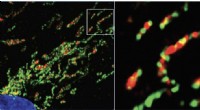
* Cells: Microscopes are essential for examining the structure and function of animal cells, including their organelles, like mitochondria and nuclei.
* Tissues: Microscopes help zoologists understand the arrangement of different cell types within tissues, like muscle tissue, nervous tissue, and epithelial tissue.
* Organelles: Microscopes allow for the study of internal structures within cells, such as the nucleus, mitochondria, and Golgi apparatus, which play vital roles in cellular function.
* Microorganisms: Zoologists study the interactions between animals and the microscopic organisms that live on or inside them, such as parasites and symbiotic bacteria. Microscopes are essential for identifying and understanding these organisms.
* Understanding Animal Development: Microscopes allow zoologists to observe the intricate processes of animal development, from fertilization and embryogenesis to the formation of organs and tissues.
* Studying Animal Behavior: Some animal behaviors occur at microscopic levels, such as the movement of cilia or the interactions between neurons. Microscopes allow zoologists to observe these behaviors in detail.
* Disease Research: Microscopes are essential for diagnosing and studying animal diseases. They can be used to identify pathogens, analyze tissue samples, and track the progression of diseases.
* Evolutionary Studies: Microscopic structures, such as the arrangement of scales on a fish or the arrangement of bristles on an insect, can provide valuable clues about animal evolution.
Types of Microscopes Used in Zoology:
* Light microscopes: These are commonly used to observe cells, tissues, and small organisms.
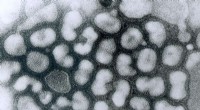
* Electron microscopes: These powerful microscopes provide much higher resolution and magnification, allowing zoologists to visualize extremely small structures, such as organelles and viruses.
* Scanning electron microscopes (SEM): These microscopes produce three-dimensional images of surfaces, revealing fine details of external structures.
* Transmission electron microscopes (TEM): These microscopes produce images of thin slices of samples, revealing the internal structures of cells and tissues.
In summary, microscopes are indispensable tools in zoology, providing a window into the microscopic world and allowing zoologists to gain a deeper understanding of animal structure, function, development, behavior, and evolution.