Here's a breakdown of how different cells control different functions:
* Neurons (in the nervous system): Control everything from muscle movement to thought processes.
* Muscle cells (in the muscular system): Contract and relax to enable movement.
* Epithelial cells (in the lining of organs): Form barriers and regulate the passage of substances.
* Connective tissue cells (in bones, cartilage, blood): Support and connect other tissues.
* Immune cells (in the immune system): Defend the body against pathogens.
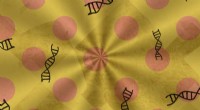
However, if you're referring to controlling the function of a specific cell, then the nucleus is the control center. It contains the cell's DNA, which holds the instructions for all the cell's activities.
It's important to remember that cells are interconnected and rely on each other to function properly. The control of function is a complex process that involves many different types of cells working together.