The Basics
* Passing on genes: Reproduction is all about passing on genetic information from parents to offspring. This information, encoded in DNA, determines the characteristics of the new individual.
* Creating new life: It's the process of making new, independent organisms that can grow and develop into mature individuals.
* Ensuring species survival: Reproduction is essential for the survival of a species. Without it, populations would dwindle and eventually die out.
Types of Reproduction
There are two main types of reproduction:
* Sexual reproduction: This involves the combination of genetic material from two parents (usually a male and a female). This leads to offspring that are genetically diverse, which can help a species adapt to changing environments.
* Asexual reproduction: This involves only one parent, and the offspring are genetically identical to the parent. This is a faster and more efficient way to reproduce, but it can make a species more vulnerable to environmental changes.
Why Reproduction Matters
Reproduction is fundamental to life. It allows:
* Population growth and maintenance: New individuals replace those that die, ensuring the continuation of the species.
* Genetic diversity: Sexual reproduction mixes genes, leading to offspring with unique combinations, which can benefit a species' adaptability.
* Evolutionary change: Variations in offspring generated through reproduction are the raw material for evolution. Over time, beneficial variations are passed down, leading to changes in a species.
Examples in Nature
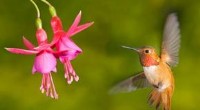
* Animals: Mammals give birth to live young, birds lay eggs, and fish release eggs and sperm into the water.
* Plants: Flowers produce seeds, which can grow into new plants. Some plants also reproduce asexually, like through runners or bulbs.
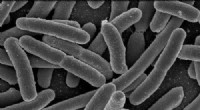
* Bacteria: Bacteria reproduce asexually through a process called binary fission, where one cell divides into two identical cells.
Overall, reproduction is a vital process that underlies the continuity of life on Earth. It ensures the survival of species and allows for the evolution of new forms.