* Health and Safety:
* Human Physiology: Astronauts need to know how their bodies function in the extreme environment of space, including the effects of zero gravity, radiation, and confinement. This knowledge helps them monitor their health, identify potential problems, and take preventative measures.
* Medical Emergencies: Astronauts must be able to provide basic medical care to themselves and their crewmates. This includes understanding how to treat common illnesses, injuries, and potentially life-threatening situations.
* Space Environment:
* Microbiology: Astronauts need to be aware of the potential dangers of microbes in the space environment, both inside and outside the spacecraft. This knowledge helps them maintain a safe and hygienic environment and prevent infections.
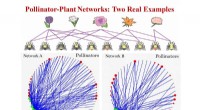
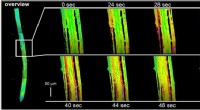
* Plant Biology: Some missions involve growing plants in space for food production or research purposes. Understanding basic plant biology is crucial for this task.
* Research:
* Human Biology Studies: Many astronauts participate in experiments investigating the effects of spaceflight on the human body. A basic understanding of biology helps them understand the goals and procedures of these studies.
* Astrobiology: Some astronauts are involved in searching for signs of life on other planets. This requires knowledge of biology and its potential evolution in different environments.
In conclusion, while astronauts are trained in a wide range of disciplines, a solid foundation in biology is crucial for their safety, health, and the success of their missions.