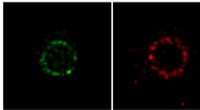
Here are some key characteristics of plasmids:
* Extrachromosomal DNA: They are separate from the main bacterial chromosome.
* Circular: Plasmids are typically circular in shape.
* Self-replicating: They have their own origin of replication, allowing them to replicate independently of the bacterial chromosome.
* Carry genes: Plasmids often carry genes that provide bacteria with advantages, such as antibiotic resistance, toxin production, or the ability to degrade unusual substances.
* Transferable: They can be transferred between bacteria through conjugation, a process where one bacterium transfers genetic material to another.
Why are plasmids important?
Plasmids play a crucial role in:
* Antibiotic resistance: Many plasmids carry genes that confer resistance to antibiotics. This can be a major problem in healthcare settings.
* Biotechnology: Scientists use plasmids as vectors to introduce new genes into bacteria for various purposes, including:
* Gene therapy: Introducing therapeutic genes into cells to treat diseases.
* Production of proteins: Using bacteria to produce large quantities of valuable proteins.
* Bioremediation: Using bacteria to clean up environmental pollutants.
I hope this explanation is helpful!