1. Genetic Similarities:
* DNA and RNA Analysis: Comparing the genetic code of organisms helps determine how closely related they are.
* Protein Structure and Function: Similar protein sequences indicate shared ancestry.
2. Evolutionary Relationships:
* Fossil Evidence: Fossils provide a historical record of life and help trace evolutionary lineages.
* Comparative Anatomy: Studying anatomical structures and similarities can reveal evolutionary connections.
3. Developmental Similarities:
* Embryological Development: Observing how organisms develop can reveal shared evolutionary history.
* Life Cycle: The stages of an organism's life cycle can be indicative of evolutionary relationships.
4. Behavioral Similarities:
* Communication: Patterns of communication, such as mating calls or social interactions, can be similar in related organisms.
* Reproduction: Modes of reproduction can provide clues about evolutionary history.
5. Ecological Relationships:
* Habitat and Niche: Organisms that share similar ecological roles often exhibit similar traits.
* Interactions: Relationships between organisms, like predator-prey or symbiotic relationships, can be informative.
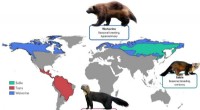
6. Biogeographical Distribution:
* Geographical Location: The distribution of species across geographic areas can reflect their evolutionary history.
In summary, classifying organisms involves a multifaceted approach that considers a wide range of characteristics beyond just physical similarities. This approach allows for a more comprehensive and accurate understanding of the relationships between different life forms.