* Many organisms can use anaerobic respiration: A huge variety of organisms, from bacteria to yeast to some animals, can use anaerobic respiration when oxygen is scarce. This isn't limited to a single species.
* Different types of anaerobic respiration: There are different pathways for anaerobic respiration, using various electron acceptors other than oxygen. This means different organisms might excel in specific environments.
* Environmental factors: The availability of oxygen is crucial. Organisms in environments with low oxygen levels (like deep in soil, in stagnant water, or in the digestive tracts of animals) are more likely to utilize anaerobic respiration.
Examples of Organisms Known for Anaerobic Respiration:
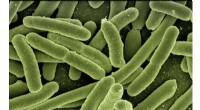
* Bacteria: Many bacteria, particularly those found in environments with limited oxygen, are adept at anaerobic respiration. Examples include *E. coli* and *Clostridium* species.
* Yeast: Yeast is famous for its use of fermentation, a type of anaerobic respiration that produces ethanol.
* Some Animals: While most animals primarily rely on aerobic respiration, some can survive in environments with low oxygen. Some fish species and even certain mammals, like the naked mole rat, can utilize anaerobic respiration for short periods.
In summary:
There isn't a single organism that's *most* likely to use anaerobic respiration. Many organisms have the ability to do so, and the specific conditions and adaptations of the organism play a significant role.