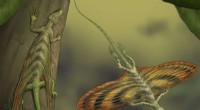
1. Biotic Factors: These are factors related to living organisms in the environment:
* Competition: Organisms compete for resources like food, water, space, and mates. The more individuals of a species, the more intense the competition, potentially leading to fewer surviving offspring.
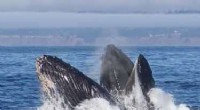
* Predation: Predators limit the number of prey species, preventing their populations from growing too large.
* Disease: Diseases can spread more easily in dense populations, leading to increased mortality.
* Parasitism: Parasites can weaken or kill their hosts, limiting their populations.
2. Abiotic Factors: These are non-living factors in the environment:
* Sunlight: The amount of sunlight available can limit the growth of plants, which are the base of many food chains.
* Water: All living things require water to survive. Limited water availability can restrict the growth of populations.
* Temperature: Organisms have specific temperature ranges they can tolerate. Extreme temperatures can limit their survival and reproduction.
* Nutrients: Plants require specific nutrients from the soil to grow. Limited nutrients can restrict plant growth, ultimately affecting the entire ecosystem.
* Space: All organisms require space to live and reproduce. Limited space can restrict population growth.
* Shelter: Some organisms require shelter from predators or harsh weather conditions. Limited shelter can restrict population growth.
Carrying Capacity:
These factors combined create what's known as the carrying capacity of an environment. This is the maximum population size that the environment can sustainably support over time. When a population exceeds the carrying capacity, resources become scarce, and the population may experience a decline due to starvation, disease, or other factors.
Key Concept:
The environment is a delicate balance of interconnected factors. Understanding these factors is crucial for comprehending the limits on population growth and the importance of maintaining a healthy ecosystem.