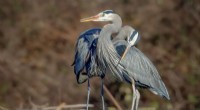
Here's a breakdown:
* Ecosystems are complex and interconnected: They are composed of living organisms (biotic) and non-living components (abiotic) that interact in intricate ways.
* Survival is about adaptation: An ecosystem's traits (like climate, resources, and species interactions) shape the adaptations of the organisms that live there. Species that are well-suited to the ecosystem's conditions are more likely to survive, reproduce, and pass on their genes.
* Traits promoting survival: These traits can be diverse, but some common examples include:
* Availability of resources: Ecosystems with sufficient food, water, shelter, and sunlight support more life.
* Climate stability: Stable temperatures, precipitation patterns, and predictable seasons make it easier for organisms to thrive.
* Predator-prey dynamics: A balance between predators and prey helps regulate populations and prevent the extinction of either group.
* Species diversity: A greater variety of species increases the ecosystem's resilience to disturbances.
However, it's important to note:
* Ecosystems are dynamic: They change over time, and what favors survival today may not be advantageous in the future.
* Human impact: Human activities can drastically alter ecosystems, leading to disruptions in the traits that once favored survival.
* Survival is not about happiness: It's about the ability of organisms to reproduce and pass on their genes. An ecosystem might be harsh, but still allow for the survival of organisms that are well-adapted to those conditions.
In conclusion: All ecosystems possess traits that favor survival for the organisms that live there, but these traits are constantly evolving and can be significantly impacted by human activities.