1. Storing Genetic Information:
- The nucleus houses the cell's DNA, which contains the genetic instructions for building and maintaining the organism. This DNA is organized into chromosomes.
2. Replication and Transcription:
- Before cell division, the nucleus replicates the DNA, ensuring that each daughter cell receives a complete set of genetic information.
- The nucleus also transcribes the DNA into RNA, which carries the genetic code to the ribosomes for protein synthesis.
3. Protein Synthesis Control:
- The nucleus regulates the production of proteins by controlling the transcription and processing of RNA.
4. Cell Growth and Development:
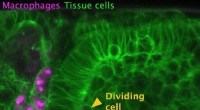
- The nucleus plays a critical role in regulating cell growth and differentiation. It ensures that cells divide and specialize correctly during development.
5. Cell Cycle Regulation:
- The nucleus controls the progression of the cell cycle, ensuring that DNA is replicated accurately and that the cell divides appropriately.
6. Structural Support:
- The nuclear envelope, a double membrane surrounding the nucleus, provides structural support and separates the nuclear contents from the cytoplasm.
7. Protection of DNA:
- The nucleus protects the DNA from damage and ensures its integrity.
In summary, the nucleus is essential for the survival and proper functioning of animal cells. It acts as the control center, regulating cell growth, development, and all cellular processes.