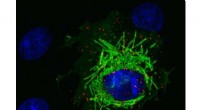
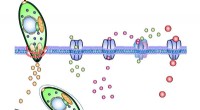
Unicellular organisms are single-celled and perform all life functions within that one cell. They are simple in structure and their internal organization is limited. They lack specialized cells, tissues, organs, or organ systems.
Multicellular organisms are composed of many cells that work together to perform life functions. These cells are specialized for specific tasks, forming tissues, organs, and organ systems that contribute to the overall function of the organism. This division of labor allows for much greater complexity and efficiency in performing life functions.
Here's a table summarizing the key differences:
| Feature | Unicellular Organisms | Multicellular Organisms |
|---|---|---|
| Number of cells | One | Many |
| Cell structure | Simple | Complex |
| Cellular specialization | None | Highly specialized |
| Organization | No tissues, organs, or organ systems | Tissues, organs, and organ systems |
| Complexity | Limited | High |
In essence, unicellular organisms are like miniature self-sufficient factories, while multicellular organisms are like complex cities with specialized workers and departments working together.