* Carbon dioxide (CO2): This is the primary waste product of respiration. It is produced when glucose is broken down for energy.
* Water (H2O): This is a byproduct of the chemical reactions involved in respiration.
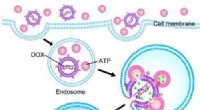
* Energy (ATP): This is the main purpose of respiration. The energy released from glucose is used to produce ATP, which is the energy currency of cells.
* Heat: Respiration is an exothermic process, meaning it releases heat. This is why our bodies produce heat and maintain a stable internal temperature.
Additionally, small amounts of other substances are also produced, such as:
* Nitrogen: This is released as a result of protein breakdown.
* Lactic acid: This is produced during anaerobic respiration, which occurs when there is not enough oxygen available.
So, while CO2 and water are the main products of human respiration, the process also produces energy, heat, and small amounts of other substances.